( About me )
I am a UX Designer & Researcher with a background in Psychology. My career has evolved from deep research at a top design agency to designing complex B2B ecosystems in-house. I specialize in bridging the gap between business requirements, technical constraints, and user needs. Having worked across industries like FMCG, Fashion, Banking, and Education, I bring a versatile, data-driven approach to every product I touch.
Off-duty: A tech enthusiast with a soul for the analog. I’m an avid collector of vinyl records and a fan of niche, non-mainstream music. When not designing, I’m likely exploring classic automotive engineering—appreciating the timeless design and mechanics of vintage cars.

10+
Projects
10+
Projects
3
Certificates
3
Certificates
5+
Years experience
5+
Years experience
What I Do
PRODUCT STRATEGY
ux design
USER RESEARCH (IDI & TESTING)
B2B PRODUCT ECOSYSTEMS
WORKSHOP FACILITATION
DATA ANALYSIS (CX)
AI WORKFLOW OPTIMIZATION
Case Study ->
Eurocash360

The Challenge
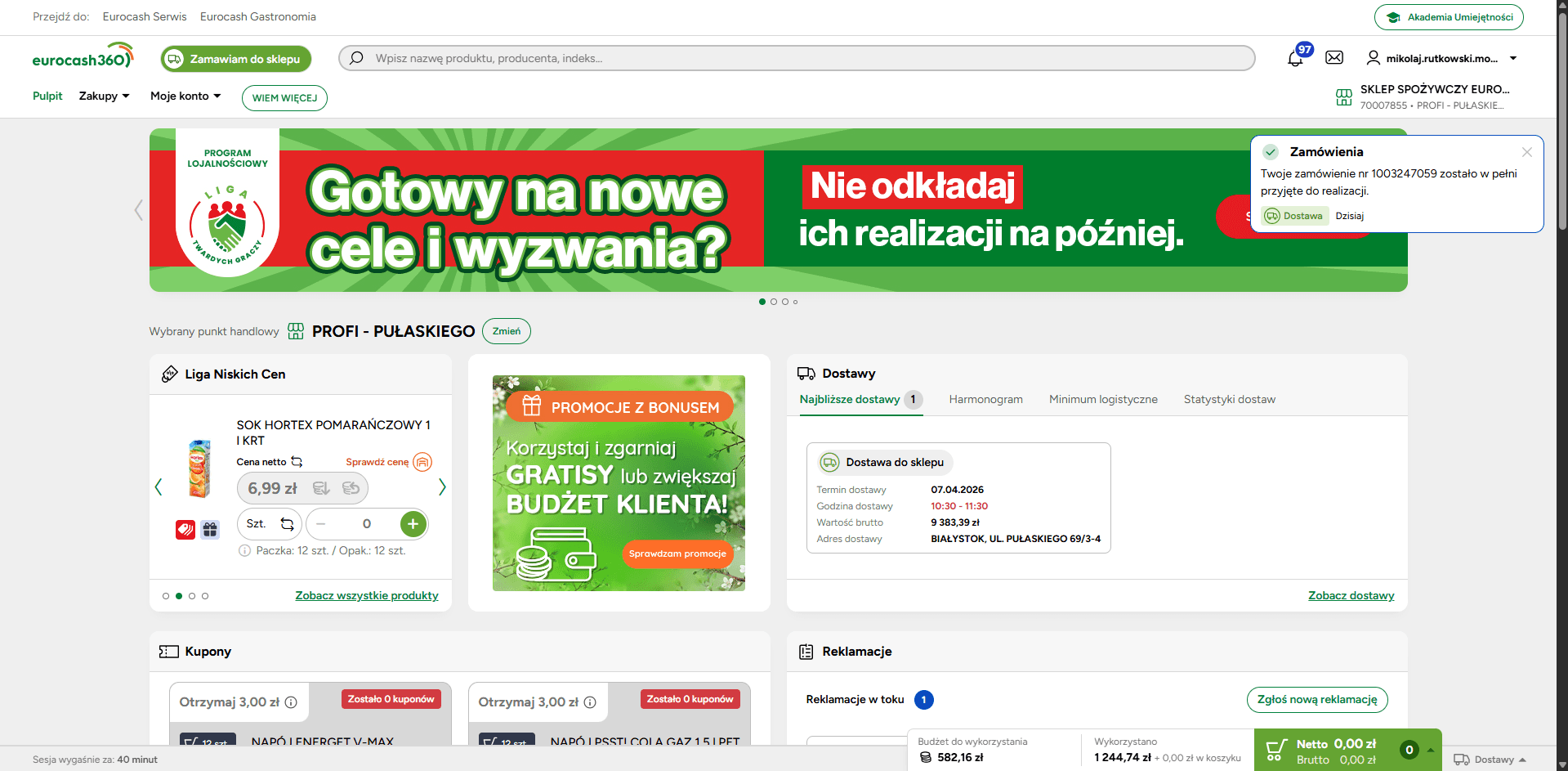
Designing a unified omnichannel platform for 45,000+ store owners by merging two fundamentally different business models: Cash & Carry and Distribution.
Both systems had distinct:
purchasing logic
pricing structures
user behaviors
Users rarely crossed between them, leading to fragmented experiences and missed business opportunities.
The challenge was not just technical integration, but redefining how users think about ordering stock — without overwhelming less digitally experienced users.
At the same time, the platform had to:
simplify a massive product catalog
make complex pricing and promotions understandable
work within strong legacy system constraints
Designing a unified omnichannel platform for 45,000+ store owners by merging two fundamentally different business models: Cash & Carry and Distribution.
Both systems had distinct:
purchasing logic
pricing structures
user behaviors
Users rarely crossed between them, leading to fragmented experiences and missed business opportunities.
The challenge was not just technical integration, but redefining how users think about ordering stock — without overwhelming less digitally experienced users.
At the same time, the platform had to:
simplify a massive product catalog
make complex pricing and promotions understandable
work within strong legacy system constraints
My Role
I worked as a UX Designer with a strong focus on process, logic, and system simplification.
I operated as a bridge between:
business
product
data
development
My responsibility was to translate complex business requirements into clear, usable flows — often challenging assumptions along the way.
I worked as a UX Designer with a strong focus on process, logic, and system simplification.
I operated as a bridge between:
business
product
data
development
My responsibility was to translate complex business requirements into clear, usable flows — often challenging assumptions along the way.
Process & Approach
Understanding the system
I started with deep UX audits of existing applications and created detailed documentation of current functionalities.
This allowed me to:
identify inconsistencies
understand hidden dependencies
ensure critical business logic wasn’t lost
Research & insights
I conducted:
IDI interviews
usability testing
field research
workshops with internal teams and customer support
Key findings:
Final price mattered more than process
Users had low tolerance for complexity
Many users had low digital confidence
Users didn’t think in systems — only in outcomes (“I need to stock my shop”)
Navigating complexity
One of the biggest challenges was aligning:
complex business rules
technical constraints
user mental models
Instead of directly translating business logic into UI,
I focused on simplifying and abstracting it.
This often required:
pushing back on overly complex requirements
rethinking how promotions and pricing are presented
finding balance between accuracy and clarity
Understanding the system
I started with deep UX audits of existing applications and created detailed documentation of current functionalities.
This allowed me to:
identify inconsistencies
understand hidden dependencies
ensure critical business logic wasn’t lost
Research & insights
I conducted:
IDI interviews
usability testing
field research
workshops with internal teams and customer support
Key findings:
Final price mattered more than process
Users had low tolerance for complexity
Many users had low digital confidence
Users didn’t think in systems — only in outcomes (“I need to stock my shop”)
Navigating complexity
One of the biggest challenges was aligning:
complex business rules
technical constraints
user mental models
Instead of directly translating business logic into UI,
I focused on simplifying and abstracting it.
This often required:
pushing back on overly complex requirements
rethinking how promotions and pricing are presented
finding balance between accuracy and clarity
Key UX Decisions
Simplifying instead of mirroring
Rather than exposing system complexity,
I designed flows that hide internal logic and reduce cognitive load.
Unifying the experience
Instead of presenting two systems,
I designed a single, consistent ordering experience that works across models.
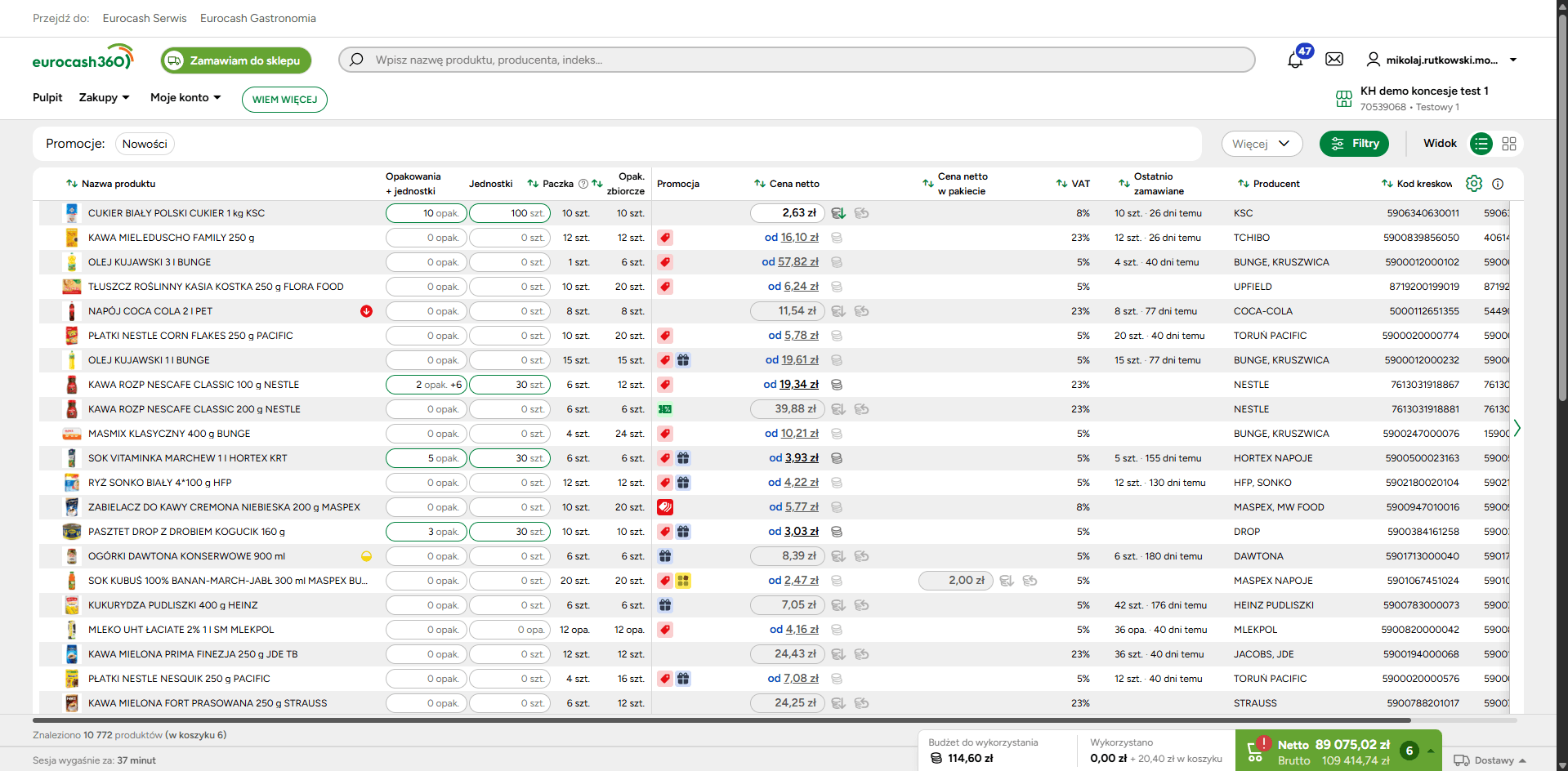
Making pricing understandable
Promotions and pricing were highly complex.
I focused on:
clearer structure
better visibility of final cost
reducing ambiguity
Designing for accessibility
Given the target group, I prioritized:
clarity over density
guidance over flexibility
predictability over advanced features
Simplifying instead of mirroring
Rather than exposing system complexity,
I designed flows that hide internal logic and reduce cognitive load.
Unifying the experience
Instead of presenting two systems,
I designed a single, consistent ordering experience that works across models.
Making pricing understandable
Promotions and pricing were highly complex.
I focused on:
clearer structure
better visibility of final cost
reducing ambiguity
Designing for accessibility
Given the target group, I prioritized:
clarity over density
guidance over flexibility
predictability over advanced features
Execution
I owned the UX process end-to-end for selected features:
designed user flows and processes
created detailed documentation for development in Jira
collaborated closely with developers during implementation
supported testing and iteration
I also:
participated in MVP prioritization
ran workshops to align teams
continuously refined solutions based on feedback
I owned the UX process end-to-end for selected features:
designed user flows and processes
created detailed documentation for development in Jira
collaborated closely with developers during implementation
supported testing and iteration
I also:
participated in MVP prioritization
ran workshops to align teams
continuously refined solutions based on feedback
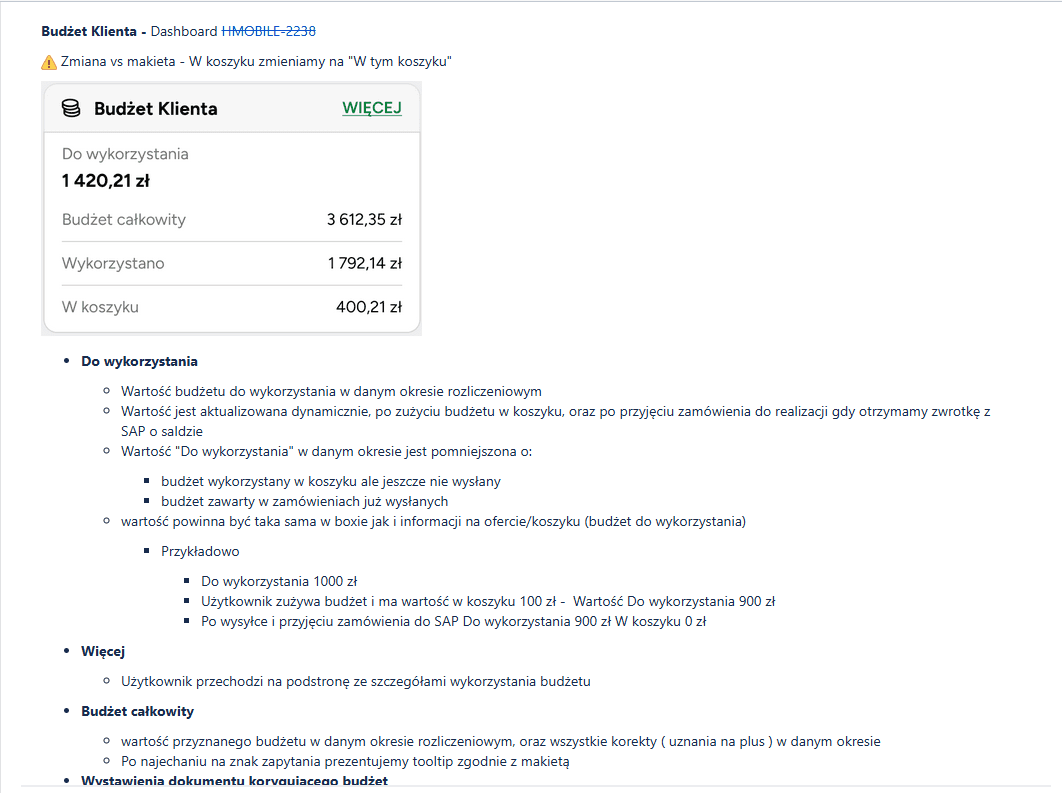
The Outcome
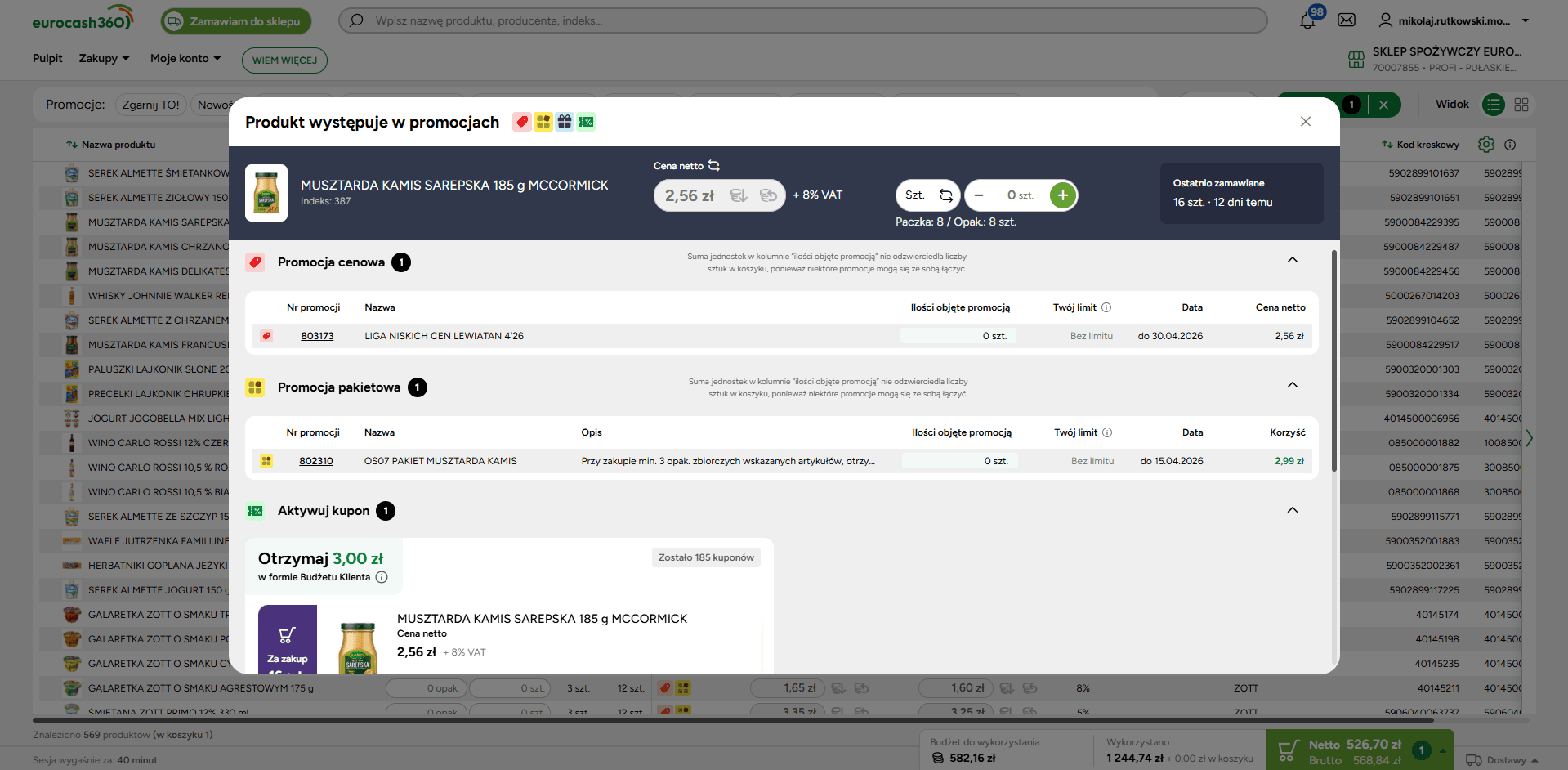
The result was a unified B2B platform that:
combines two purchasing models into one coherent experience
simplifies complex business logic for end users
improves clarity of pricing and promotions
enables broader adoption across different user segments
The solution reduced friction in key flows and created a more accessible and scalable system.
The result was a unified B2B platform that:
combines two purchasing models into one coherent experience
simplifies complex business logic for end users
improves clarity of pricing and promotions
enables broader adoption across different user segments
The solution reduced friction in key flows and created a more accessible and scalable system.
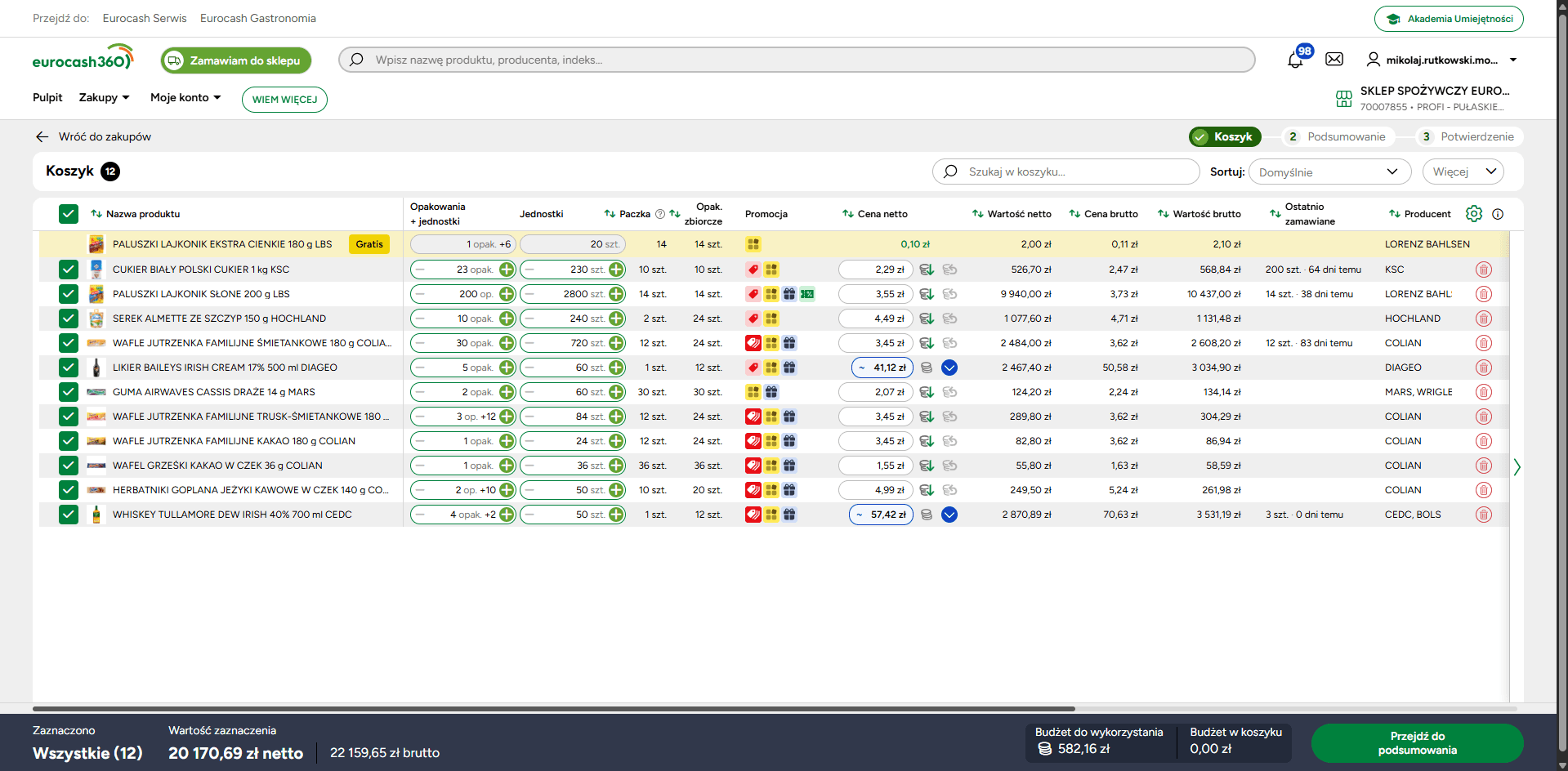
Key Learnings
Good UX often means challenging business complexity, not translating it
Designing for less digital users requires extreme clarity and simplification
Cross-functional collaboration is critical in large systems
Simplicity is a result of many difficult decisions, not fewer features
Good UX often means challenging business complexity, not translating it
Designing for less digital users requires extreme clarity and simplification
Cross-functional collaboration is critical in large systems
Simplicity is a result of many difficult decisions, not fewer features
Case Study ->
MODIVO — UX Research / E-commerce App

The Challenge
Identifying critical friction points in the end-to-end shopping journey of the Modivo mobile app. As the Research Lead on this project, I was responsible for uncovering why users were dropping out of the funnel and how to align the interface with their high expectations for a premium fashion brand.
Identifying critical friction points in the end-to-end shopping journey of the Modivo mobile app. As the Research Lead on this project, I was responsible for uncovering why users were dropping out of the funnel and how to align the interface with their high expectations for a premium fashion brand.
My Process
I led a structured usability testing process with 12 diverse respondents (iOS & Android):
Study Leadership: Defined recruitment criteria and managed the end-to-end research flow, focusing on users with high purchasing power.
Usability Testing: Conducted in-depth sessions to test the homepage, product discovery, filtering systems, and the checkout process.
Synthesis & Analysis: Categorized findings into positive reactions, minor issues, and critical blockers (e.g., misaligned filters and confusing sizing information).
Strategic Recommendations: Translated user frustrations into prioritized design changes, such as refining the "Model vs Product" toggle and fixing the cross-category filtering logic.
I led a structured usability testing process with 12 diverse respondents (iOS & Android):
Study Leadership: Defined recruitment criteria and managed the end-to-end research flow, focusing on users with high purchasing power.
Usability Testing: Conducted in-depth sessions to test the homepage, product discovery, filtering systems, and the checkout process.
Synthesis & Analysis: Categorized findings into positive reactions, minor issues, and critical blockers (e.g., misaligned filters and confusing sizing information).
Strategic Recommendations: Translated user frustrations into prioritized design changes, such as refining the "Model vs Product" toggle and fixing the cross-category filtering logic.
The Outcome
Delivered a comprehensive report that served as a roadmap for the design team. By identifying that filters were actually lengthening the purchase process due to irrelevant options, we provided a clear path to reducing cart abandonment. The study also validated high-value features, ensuring that the development team focused on what truly mattered to the premium customer.
Delivered a comprehensive report that served as a roadmap for the design team. By identifying that filters were actually lengthening the purchase process due to irrelevant options, we provided a clear path to reducing cart abandonment. The study also validated high-value features, ensuring that the development team focused on what truly mattered to the premium customer.
Case Study ->
KFC — In-Store Guerilla Research & UX Optimization
The Challenge
Understanding real-world user behavior and pain points within the KFC digital ecosystem. The goal was to validate the usability of self-service kiosks and the mobile app in a high-pressure, fast-paced restaurant environment.
Understanding real-world user behavior and pain points within the KFC digital ecosystem. The goal was to validate the usability of self-service kiosks and the mobile app in a high-pressure, fast-paced restaurant environment.
My Process
I conducted on-site Guerilla Research to capture authentic user feedback:
Field Research & Recruitment: Proactively engaged with diverse customers in-store, facilitating on-the-spot sessions in exchange for incentives.
Contextual IDIs: Conducted In-Depth Interviews to uncover why certain UI elements caused friction during the ordering process.
Stakeholder Presentation: Translated raw qualitative data into a strategic set of UX recommendations, which I presented directly to the Design department and client's business team.
I conducted on-site Guerilla Research to capture authentic user feedback:
Field Research & Recruitment: Proactively engaged with diverse customers in-store, facilitating on-the-spot sessions in exchange for incentives.
Contextual IDIs: Conducted In-Depth Interviews to uncover why certain UI elements caused friction during the ordering process.
Stakeholder Presentation: Translated raw qualitative data into a strategic set of UX recommendations, which I presented directly to the Design department and client's business team.
The Outcome
Provided a bridge between theoretical design and real-world usage. My recommendations led to tangible UI adjustments that simplified the checkout flow, directly addressing the frustrations observed during the field tests. This project demonstrated the high ROI of quick, qualitative field research in optimizing global-scale products.
Provided a bridge between theoretical design and real-world usage. My recommendations led to tangible UI adjustments that simplified the checkout flow, directly addressing the frustrations observed during the field tests. This project demonstrated the high ROI of quick, qualitative field research in optimizing global-scale products.
Case Study ->
PEKAO S.A. — Banking UX & Innovation

The Challenge
Managing and making sense of a massive volume of unstructured user reviews from the Google Play Store and App Store. The goal was to transform thousands of individual comments into actionable insights that could guide the bank’s product roadmap.
Managing and making sense of a massive volume of unstructured user reviews from the Google Play Store and App Store. The goal was to transform thousands of individual comments into actionable insights that could guide the bank’s product roadmap.
My Process
I developed a comprehensive data categorization framework to track user sentiment over time:
Taxonomy Development: Created a system of categories such as UI Clarity, Performance (Speed), and Feature Specifics to tag incoming reviews.
Dynamic Dashboarding: Built a tool that correlated user ratings (stars) with specific app versions and timeframes.
Trend Analysis: Mapped how changes in the app's architecture directly influenced user satisfaction across different demographics.
I developed a comprehensive data categorization framework to track user sentiment over time:
Taxonomy Development: Created a system of categories such as UI Clarity, Performance (Speed), and Feature Specifics to tag incoming reviews.
Dynamic Dashboarding: Built a tool that correlated user ratings (stars) with specific app versions and timeframes.
Trend Analysis: Mapped how changes in the app's architecture directly influenced user satisfaction across different demographics.
The Outcome
Delivered a strategic feedback tool that allowed the product team to see exactly which app updates improved UX and which caused friction. This data-driven approach replaced "gut feeling" with evidence, helping prioritize bug fixes and feature enhancements based on real user pain points.
Delivered a strategic feedback tool that allowed the product team to see exactly which app updates improved UX and which caused friction. This data-driven approach replaced "gut feeling" with evidence, helping prioritize bug fixes and feature enhancements based on real user pain points.
Work experience
UX Designer
Eurocash
2022 - Now
UX Designer
Eurocash
2022 - Now
UX Researcher
Flying Bisons
2021-2022
UX Researcher
Flying Bisons
2021-2022
Innovation Intern
Pekao S.A.
2020-2021
Innovation Intern
Pekao S.A.
2020-2021
UX & Service Design Intern
SWPS/Luxmed
2020
UX & Service Design Intern
SWPS/Luxmed
2020
SEO Intern
Accenture
2019-2020
SEO Intern
Accenture
2019-2020
Courses
AI Product Heroes
AI Product Heroes
2025
AI Product Heroes
AI Product Heroes
2025
UXalliance
UX-PM Level 2
2022
UXalliance
UX-PM Level 2
2022
Hycom DIgital
Projektowanie zmiany
2020
Hycom DIgital
Projektowanie zmiany
2020
Education
Master's Degree
Psychology
2016-2021
Master's Degree
Psychology
2016-2021
Ready to work together?
Copy Email
Copied
Ready to work together?
Copy Email
Copied
Ready to work together?
Copy Email
Copied